
Our Reefs, Our Future
For years, coral reefs have been framed as ecosystems beyond saving. But new science is changing what we thought possible.
Scientists have identified where conservation action can best support coral reef persistence under future climate change to mid-century – providing a greater opportunity for coral survival than previously understood.
For the first time, governments now have a clearer picture of where action can still make the greatest difference for reefs, people and economies.



Coral reefs protect more than nature
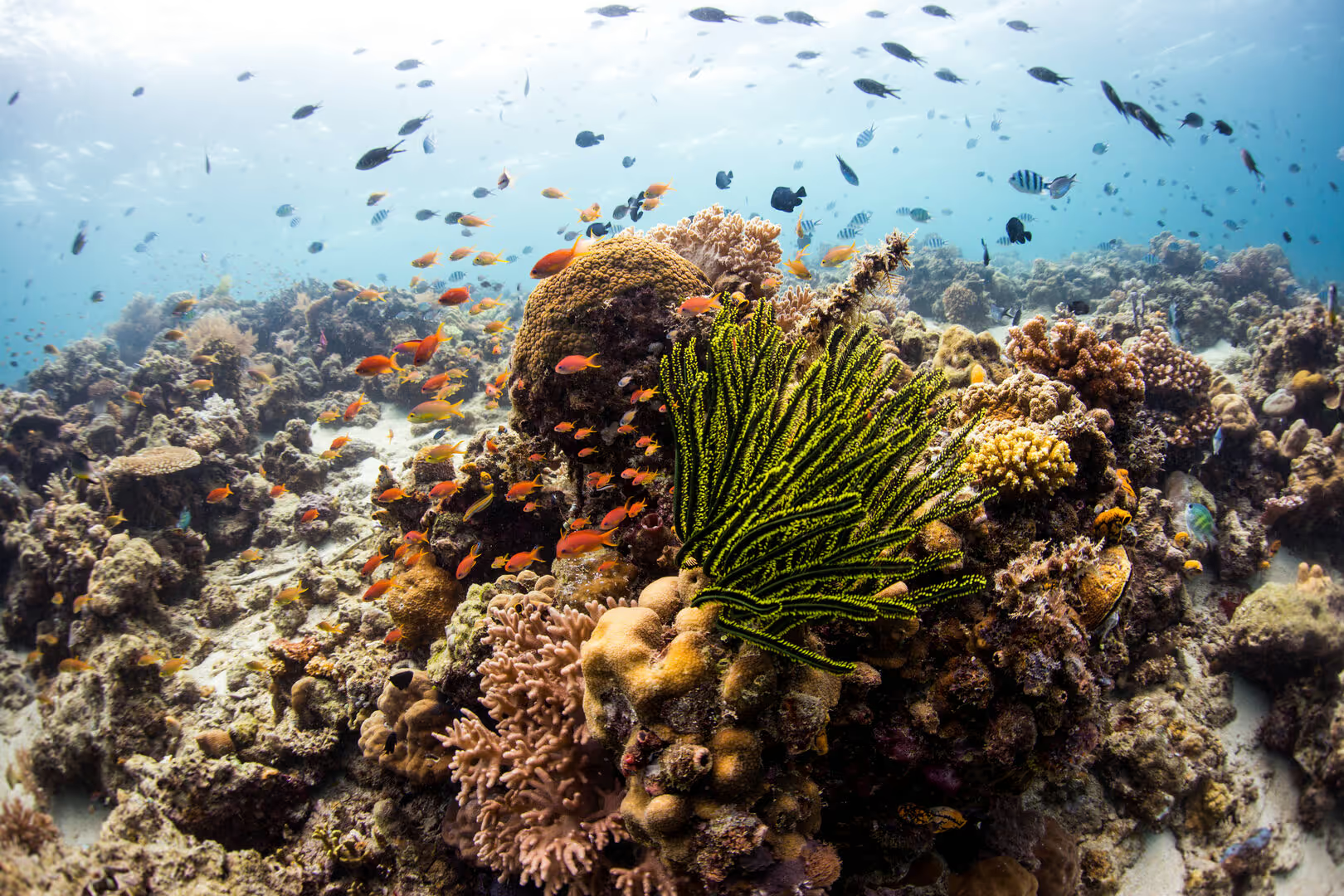
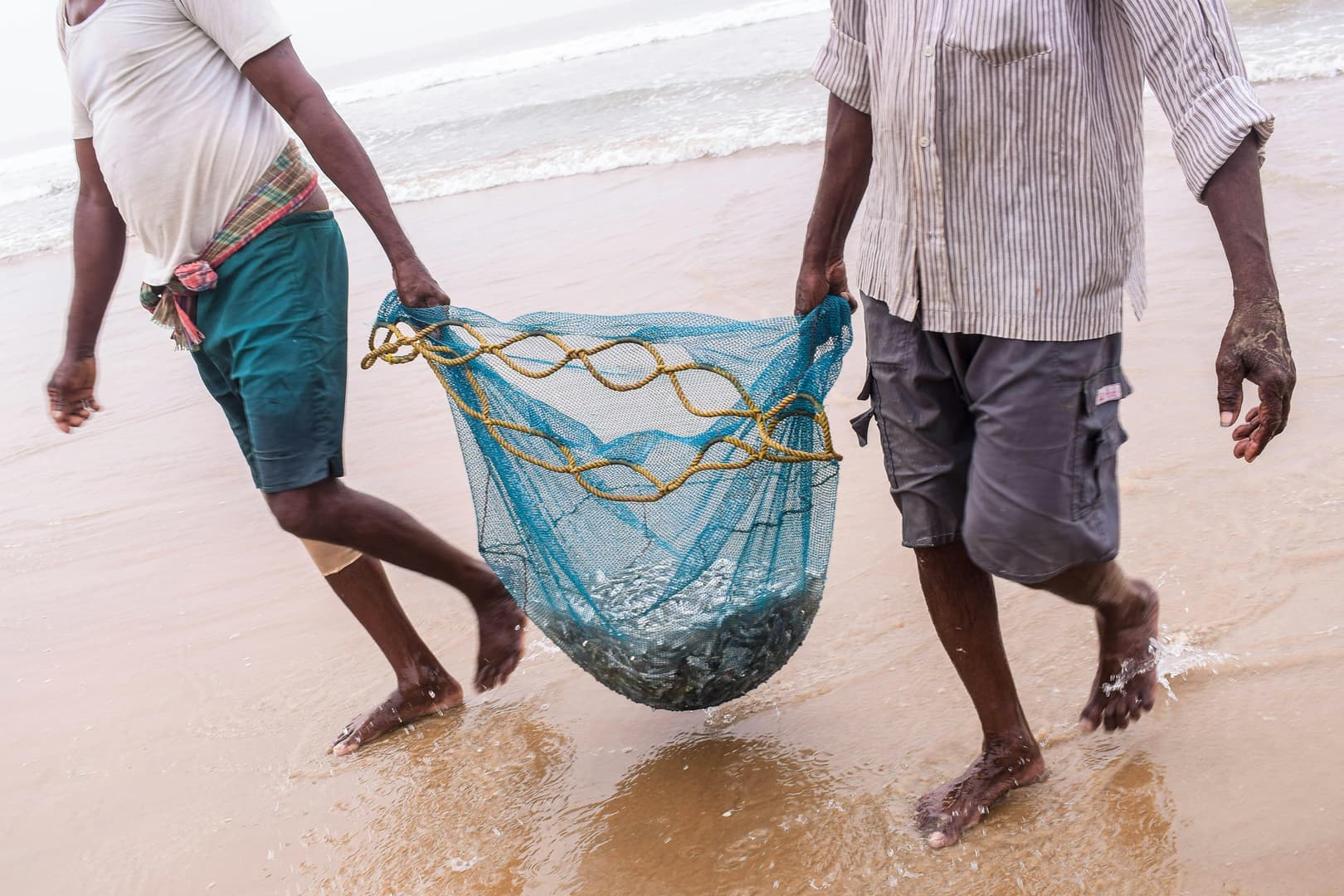
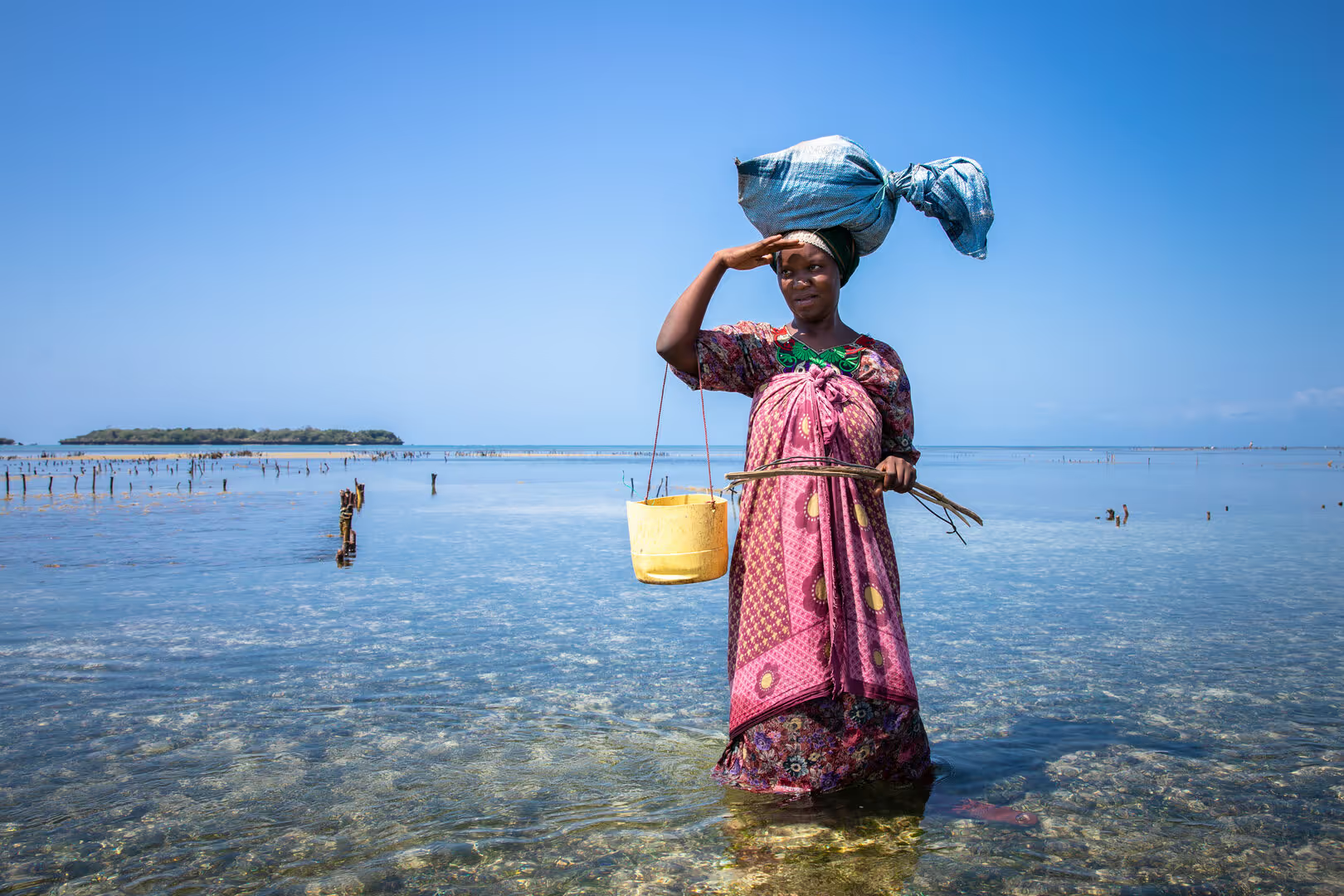
Coral reefs are living infrastructure. They protect coastlines from storms, support food systems, sustain livelihoods and underpin economic stability for nearly one billion people. A healthy reef looks like food on the table, protected coastlines and thriving communities. The people most dependent on reefs, including coastal communities, Indigenous Peoples and small-scale fishers, have their food security, income and cultural identity tied directly to reef health.
Although coral reefs only cover 0.1% of the ocean floor, they support 25% of all marine life.
Coral reefs can reduce wave energy by up to 97%, acting as natural coastal defences against erosion, flooding and storm surges.
Reef fisheries supply up to 90% of protein intake for many tropical coastal communities.
Coral reefs generate up to $2.7 trillion each year in ecosystem services, including fisheries, tourism and coastal protection.
A breakthrough in coral reef survival
New analysis from the 50 Reefs+ Initiative, built on more than 45,000 real-world coral surveys, has identified a global portfolio of climate-resilient reefs based on their current and predicted future composition.
The findings reveal that coral resilience is more complex than previously understood. Some reefs can avoid climate impacts because of their geographic location. Some can resist bleaching and climate stress. Others can recover and rebuild after climate-related damage.
Together, this research provides guidance for selecting which reefs should be included in national 30x30 plans to maximize opportunities for reef persistence into the future. The results present the clearest picture yet where protection and investment by governments, communities and investors can make the biggest difference.

79 Countries
57 Territories
Climate-resilient coral reefs have now been identified across at least 79 countries and 57 territories and jurisdictions, revealing a truly global opportunity for coral survival, protection and recovery.
A much bigger opportunity
Scientists identified climate-resilient reefs across at least 38 additional countries and 12 additional territories and jurisdictions compared to the original 50 Reefs assessment, dramatically expanding where action could still make a difference.
Reefs once thought lost are re-emerging
New climate-resilient reef systems have been identified across the Caribbean, including in places once thought too damaged to recover, revealing new opportunities for coral survival and protection.
Six countries could shape the future of coral reefs
More than 50% of identified climate-resilient reef habitat is consistently identified in just six countries - Australia, Cuba, Indonesia, Papua New Guinea, the Philippines, and Solomon Islands – giving governments an extraordinary opportunity to help safeguard the future of coral reefs globally.
The ocean’s living seed banks
Connected by ocean currents carrying coral larvae and fish, some climate-resilient reefs can help regenerate wider reef systems, acting as living seed banks for the future of our oceans.
A clearer map for action
The new analysis is 10,000 times more detailed than the original 50 Reefs assessment, giving governments and communities a far more precise roadmap for protection, management and investment.
The window is narrowing, but it is still open
Climate change remains the greatest long-term threat to coral reefs, while pollution, overfishing, and unsustainable coastal management continue to accelerate their decline.
Yet many of the most immediate pressures facing reefs are local, manageable, and within national control.
The goal is not to remove people from reefs, but to reduce the pressures that reefs cannot withstand so they can continue to protect coastlines, support livelihoods, and sustain communities in a changing climate.
Acting now means protecting the reefs with the strongest chance of survival and recovery while that choice is still available.
~70%
Around 70% of coral reefs worldwide, whether climate-resilient or not, currently fall outside existing protected and conserved areas, signaling an urgent opportunity to incorporate resilient reefs into new managed areas.

73%
But even reefs within protected areas are exposed to sewage pollution, with 73% of marine protected areas impacted

Five actions governments can take now
We know what works, and where action matters most. Governments do not need to wait for a global consensus. They can act now by reducing local pressures, strengthening reef management and investing in protection that delivers for people, economies, and ecosystems.
Protect the reefs most likely to survive
Expand and strengthen Marine Protected Areas for identified climate-resilient reefs before they are lost.
Cut the pressures reefs can recover from
Reduce pollution, destructive fishing and damaging coastal development around priority reefs.
Back the communities already protecting reefs
Increase investment in Indigenous Peoples, local communities and reef stewards leading reef protection and recovery efforts.
Put resilient reefs at the centre of climate adaptation
Recognise coral reefs as essential infrastructure for food security, coastal protection, livelihoods and economic stability, and include them in national adaptation and resilience planning.
Invest where action can still make a difference
Use the latest science to prioritise funding, policy and protection where reefs have the greatest chance of surviving and recovering.
At the third United Nations Ocean Conference (UNOC3), a growing coalition of countries and partners launched and signed the High-Level Climate-Resilient Coral Reefs Commitment to protect climate-resilient coral reefs, setting a new bar for ocean action in a warming world.
The Our Reefs, Our Future campaign calls on governments around the world to realise this commitment, and expand its reach, recognising climate-resilient reefs as critical infrastructure for people, economies and coastal resilience.
Find out more about the High-Level Climate-Resilient Coral Reefs Commitment here
Together, these actions can protect critical natural infrastructure while securing long-term benefits for livelihoods, coastal protection, economic stability and sustainable development.
From science to action
Launched at Our Ocean Conference in Kenya, this campaign marks a turning point in how the world sees coral reefs: from ecosystems in decline to critical infrastructure with a real chance of survival. Ahead of COP31, see where that science is already being put to work.
A coalition backing action
This campaign is a shared platform for organisations, scientists, practitioners and community partners working to protect climate-resilient coral reefs. It brings together evidence, local stewardship and policy support so governments and institutions can act with confidence.
The coalition reflects a simple idea: the future of reefs cannot be secured by one organisation alone. Durable action depends on science, finance, policy and the leadership of the communities closest to these ecosystems.



Resources and updates
Find campaign-owned materials, launch assets and links to partner-hosted science. Each resource is designed to help policymakers, partners, funders and journalists explain why climate-resilient reefs matter, and what action is needed now.
The official launch announcement, including the campaign proposition, key proof points and partner quotes.
A policy summary for decision-makers on the 50 Reefs+ analysis and what it means for climate-resilient coral reef conservation to 2050.
The seventh global assessment of coral reef health, tracking hard coral and algae cover from 1980 to 2024 with data from more than 120 countries.
Explore the clearest global map of climate-resilient coral reefs, showing where protection efforts could have the greatest impact.
Ready-to-use copy, visuals and messaging to help partners amplify the campaign across launch channels.